Forecast reportOne step ahead
© PORR
Experts from international economic institutions anticipate continued moderate but stable performance for the global economy in 2026. The International Monetary Fund (IMF) expects global economic growth of around 3.3% in 2026. This development will be supported by a further decline in inflation and monetary policy easing in the major economies, which will bolster private consumption and investment activity. At the same time, geopolitical tensions, protectionist tendencies and political uncertainties remain significant risk factors for the global economy.
A gradual economic recovery is expected for the eurozone in 2026. The inflation rate stabilised in 2025 and, at around 1.7%, is within the European Central Bank’s target range. The ECB lowered its key interest rate to 2.15% in the course of 2025. The monetary policy environment is expected to remain supportive in 2026, which will particularly benefit investment-intensive sectors like the construction industry.

© PORR
The European construction industry is expected to enter a phase of gradual recovery in 2026. According to the findings of the 100th EUROCONSTRUCT Conference in November 2025, European construction volume is expected to increase by around 2.4% in 2026. This means that, following stabilisation in 2025, broader growth will prevail again for the first time.
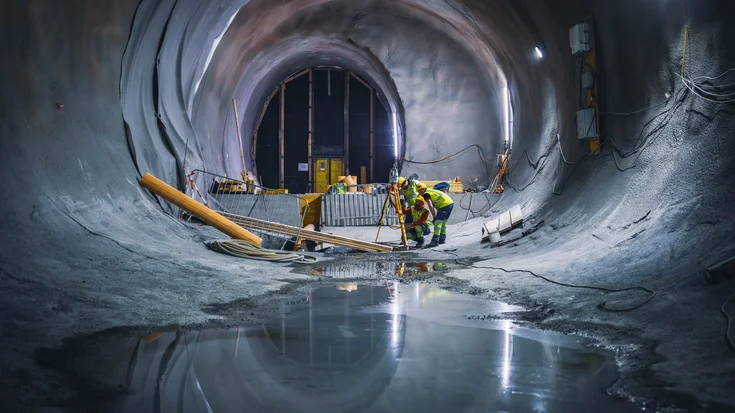
Civil engineering and infrastructure construction remain the most important growth drivers. Public investment, supported by EU programmes such as the Recovery and Resilience Facility and the NextGenerationEU budget, continues to drive high demand in the areas of transport infrastructure, energy supply and digital networks. In addition, the expansion of renewable energies is becoming increasingly important in the context of the European decarbonisation strategy.
In Germany, too, significant momentum from public investment activity is expected for 2026. The German federal government has set up a special fund to strengthen infrastructure and climate neutrality, from which around EUR 40 billion is earmarked for investment in 2026. A significant portion of these funds is to be used to expand and modernise transport, energy and digital infrastructure. The aim is to reduce the existing investment backlog and at the same time provide economic stimulus for the construction industry.
© pierer.net
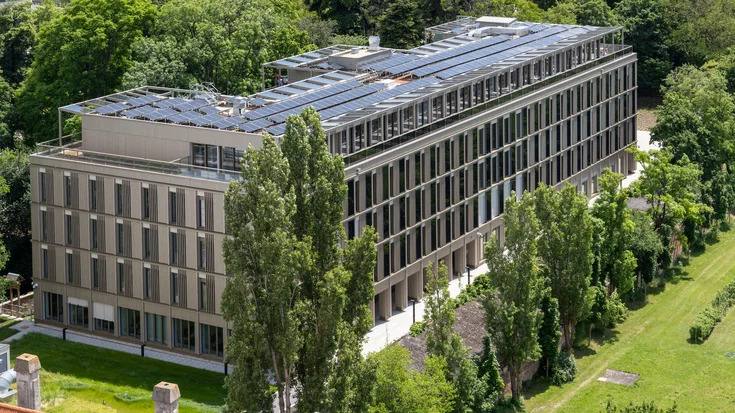
A moderate recovery is expected in non-residential construction in 2026. Investments in health, education and care infrastructure as well as in industrial and logistics buildings are picking up speed again. Increasing digitalisation and the ongoing relocation of supply and production chains are supporting this trend.
Residential construction will remain the most structurally challenging segment in 2026. According to EUROCONSTRUCT, construction activity in new residential construction is likely to pick up only slowly. Nevertheless, a gradual recovery is on the horizon for 2026, driven by falling financing costs, national support measures and the continuing high demand for affordable housing, especially in urban regions.
According to WIFO, a cautious economic recovery is also expected for Austria in 2026. The robust labour market, rising real incomes and an improved financing environment are boosting consumer spending and investment activity. Public infrastructure projects and housing policy measures are also having a stabilising effect on the construction industry.
© Wolfgang Gollmayer
This market development is clearly reflected in PORR’s order backlog. With growth of over 10%, PORR is well-positioned for the future. Civil engineering accounts for the largest share at 57.8%. The high proportion of infrastructure and industrial construction projects underscores PORR’s positioning along the entire construction value chain. The ability to implement complex large-scale projects as a general contractor or design-build provider provides a crucial foundation from which to capitalise on the expected market rebound.
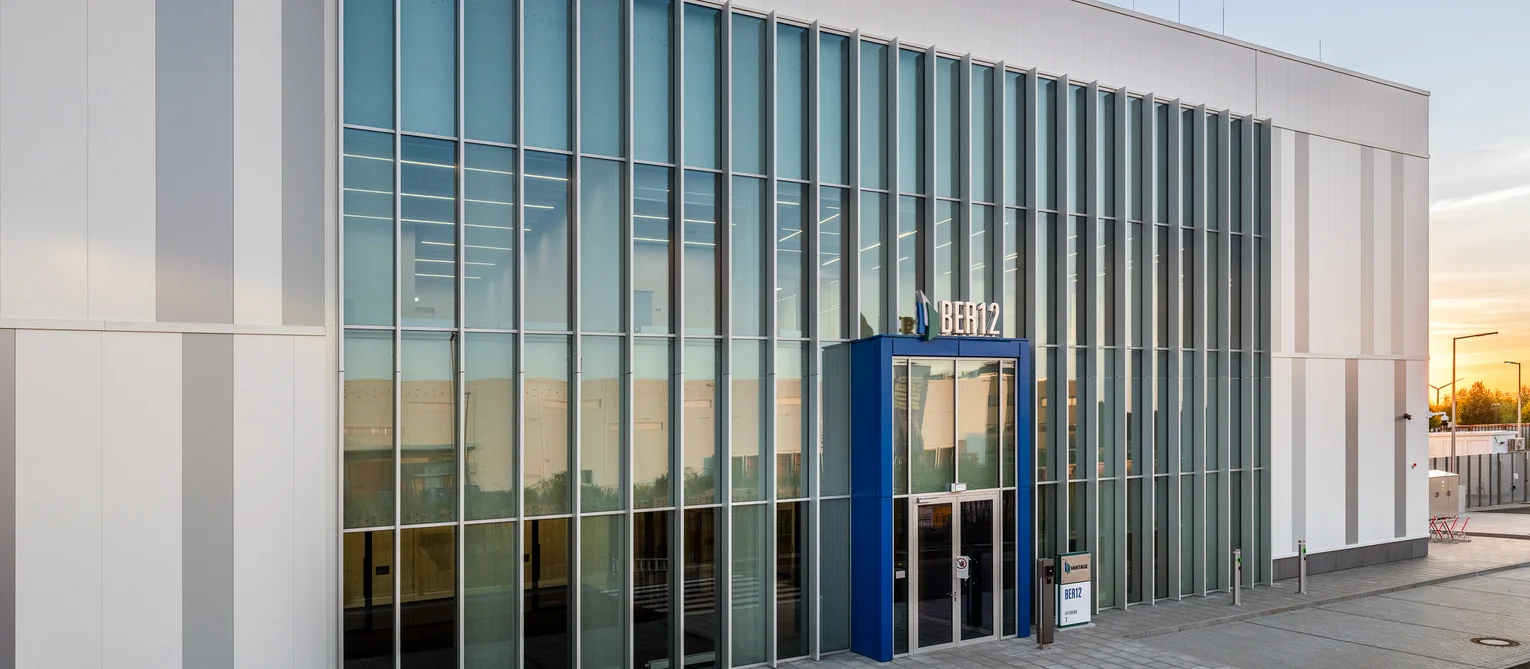
Another share is accounted for by building construction at 35.2%. In this area, PORR has a broad service portfolio, ranging from highly networked data centres to healthcare construction, which is challenging in terms of building technology. In residential construction, PORR is focusing on aspects like the prefab construction product “PORR Living” in order to benefit from the improving conditions.
On the basis of the strong order backlog and expected market trends, the Executive Board anticipates moderate growth in output and revenue, as well as an increase in the EBIT margin in 2026. The long-term target of an EBIT margin of 3.5% to 4.0% by 2030 remains unchanged.
The assessment of how the business will perform is based on the current goals in the individual segments as well as the opportunities and risks arising in the respective markets. Should the geopolitical situation intensify, or new trade barriers or renewed volatility on the financial markets occur, this could have a negative impact on PORR and its business activities. Any assessment of economic development is therefore subject to forecasting risks.